
Dental chair and delivery unit
The core of a surgery, and the item with the longest working life in this class. Standardised enough that the New Zealand used market is genuinely national.
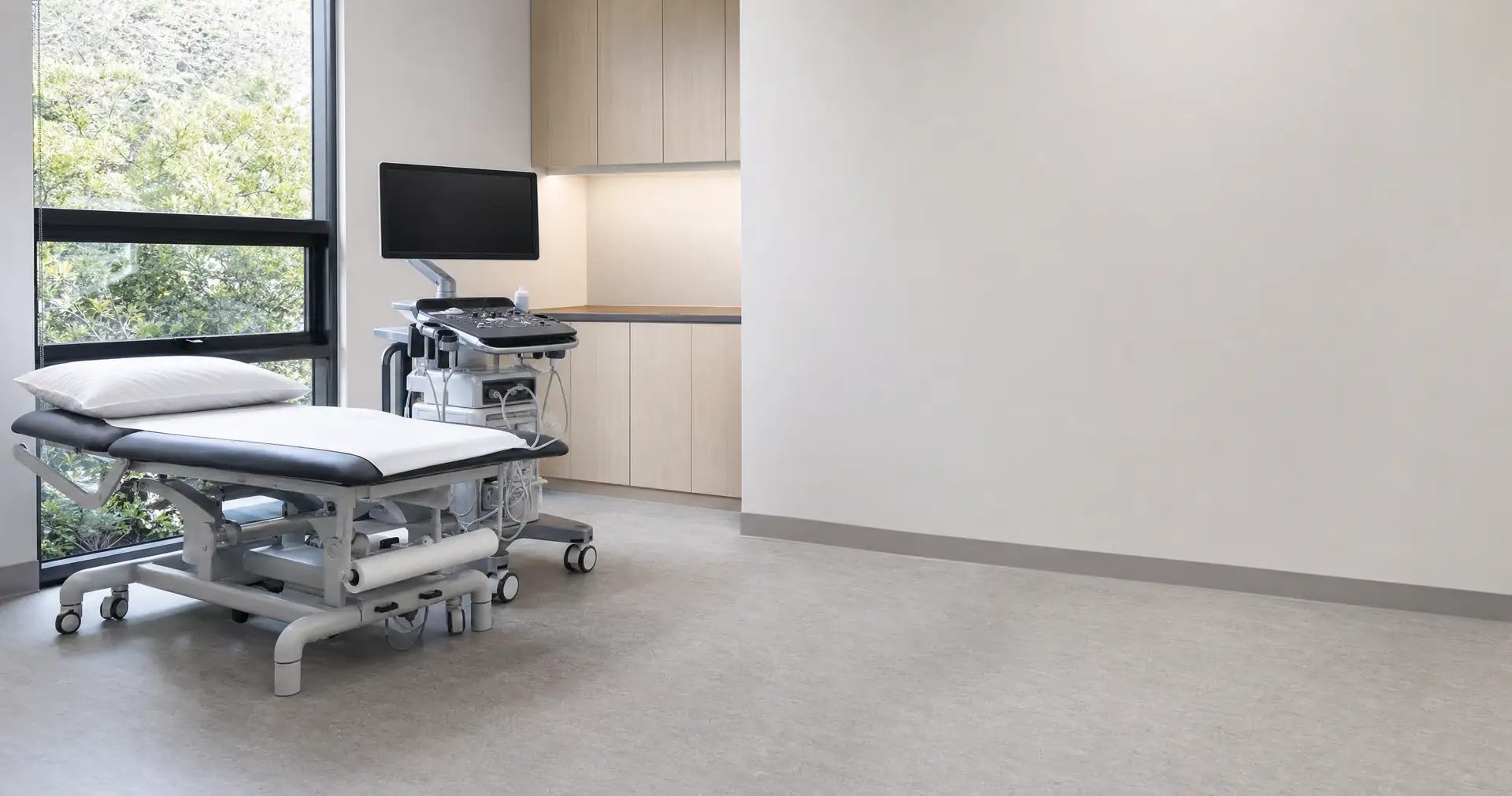
Clinical equipment has the longest working life and the most national resale market of anything on this site, which is why lenders treat a practice fit-out more generously than its price suggests.
Last reviewed 7 September 2026
Indicative repayment
Weekly
$671/week
Indicative only. Not a quote or offer of credit. Actual rates, fees, and repayments depend on the business profile and the lender's decision.
Sending to Prospa
5 years at 9.00% . Prospa will ask a few quick questions, then provide a firm quote and funding if eligible.
Redirecting…
The short version
What it is
Medical and dental equipment finance is a secured facility over identified equipment, with the lender registering a security interest on the Personal Property Securities Register. The structure is the same as any equipment facility. What differs is that almost every factor a lender weighs points the same way.
A dental chair installed today will very likely still be working in fifteen years. The buyer pool for it is every practice in the country rather than a handful in one region, because clinical equipment is standardised and transports easily. Practice revenue is unusually predictable compared with hospitality or contracting, patient demand is not cyclical in the way construction is, and the professions involved carry registration requirements that filter who is operating in the first place. All of that lowers a lender’s assessed risk, and it shows up as terms at the long end and deposits at the short end.
The complications in this class are about the practice rather than the equipment. A new graduate buying into a practice is a different proposition from an established partnership adding a fourth surgery, and the finance follows that difference more than it follows what is being bought. So does the premises question, since clinical fit-outs are substantial and frequently installed into leased space.
Common practice fit-out
$180k to $450k
Indicative rate band
7% to 13% p.a.
Resale market
National
Registered on
PPSR
By item
Indicative New Zealand purchase bands, illustrative only. Specification, brand, new against refurbished and installation complexity all move these considerably. A supplier quote decides an actual purchase.
The core of a surgery, and the item with the longest working life in this class. Standardised enough that the New Zealand used market is genuinely national.
Panoramic and cone beam imaging. Dates faster than the rest of the surgery, and carries radiation source licensing obligations that sit outside the finance.
Compliance-critical equipment with validation requirements. Steady demand and a reliable used market, and rarely the item that gets deferred.
The services behind the chairs. Installed into the building, so less recoverable than the chairs themselves, and usually replaced on a longer cycle.
Ultrasound, ECG, spirometry and monitoring. Varies enormously by specialty, and imaging equipment dates faster than mechanical items.
Lights, tables, diathermy and instrument sets. Long lives and broad demand, which lenders are comfortable with.
Software, servers and terminals. Shorter useful life than the clinical equipment, and frequently subscription-based thereafter.
Built-in joinery, plumbing, electrical and services. Largely unrecoverable, and the part of a clinical fit-out lenders discount most.
The common case
Tax and GST
Under a hire purchase, a GST-registered practice is generally able to claim the GST on the full purchase price in the return covering the period the agreement begins rather than spreading it across the payments, subject to the accountant’s confirmation of the accounting basis used. Under an operating lease the GST is typically claimed on each rental as it is invoiced, again subject to the accountant’s confirmation. Depreciation follows ownership in the same way, at the rates Inland Revenue publishes in its rate finder. The complication specific to health is that some medical services are exempt or zero-rated for GST purposes depending on what they are and who provides them, which affects a practice’s ability to claim input tax. That is a question about the practice rather than about the equipment, and the accountant is the right person to settle it before a substantial purchase.
Indicative bands
Indicative bands only, and not an offer of credit. Unusually for this site, the driver is the practice rather than the equipment, because the equipment is rarely the constraint.
| Practice position | Typical maximum term | Deposit commonly sought | Notes |
|---|---|---|---|
| Established practice, owned premises | 60 months | 0% | The most favourable position on this entire site. Terms follow the equipment, which lasts far longer than the facility. |
| Established practice, leased premises | 48 to 60 months | 0% to 10% | Standard. Lease term matters for the fit-out portion in the same way it does in hospitality. |
| Practice purchase or buy-in | 60 months | 10% to 20% | Commonly financed as a package with goodwill, which is a different product from equipment finance and is assessed differently. |
| New graduate, first practice | 48 to 60 months | 10% to 25% | Personal guarantees are standard. Some lenders run dedicated professional lending programmes for this case. |
| Refurbished or used equipment | 36 to 48 months | 10% to 20% | A real market in clinical equipment. Service history and any remaining manufacturer support drive the terms. |
Indicative New Zealand market bands for clinical equipment finance. Illustrative, not an offer.
The alternatives
Practices prioritising capability and long-run cost typically finance. Practices testing demand for a service typically refer it out first. The right answer follows the patient volume rather than the equipment.
| Feature | Hire purchase | Operating lease | Refurbished purchase | Refer the work out |
|---|---|---|---|---|
| Who owns it | The practice | The lessor | The practice | Not applicable |
| Upfront cash | Deposit or nil | First month | Full price or finance | None |
| Technology refresh | The practice manages it | Built into the term | Already behind | Someone else’s problem |
| Revenue retained | All of it | All of it | All of it | None |
| Fits when | Volume is proven | Technology moves quickly | Budget is the constraint | Volume is unproven |
Referring a service out is the honest option while volume is unproven, and it costs the practice the margin rather than the capital. Where the referred volume becomes predictable, that same figure is what makes the equipment case.
The process
Written as an observation of what commonly happens rather than as instructions. Every lender differs, and none of this is a guarantee of an outcome.
01
1 to 3 weeks depending on the supplier
A supplier quote covering the equipment, installation, services connection and commissioning is what opens the file. On a full surgery the cabinetry and services are commonly quoted alongside, and a lender will want to see the split because it treats the two differently.
Documents commonly required
02
3 to 10 working days
Trading history carries the usual weight, and practice lending is one of the areas where lenders commonly ask for financial statements as a matter of course. Practitioner registration and the practising certificate are frequently confirmed, because they are what makes the revenue possible.
Documents commonly required
03
Within the assessment window
Where the practice leases, the lease term and any renewal rights are examined for the fit-out portion for exactly the reasons they are in hospitality. Clinical fit-outs are substantial and largely unrecoverable, and a facility running past a lease is the same problem here as anywhere.
Documents commonly required
04
Aligned to the fit-out programme
Settlement is frequently staged on a fit-out because equipment arrives across weeks. The financier commonly pays suppliers directly and registers its security interest on the PPSR. Radiation source licensing and sterilisation validation run on their own timelines and are worth aligning with the installation programme.
Documents commonly required
Radiation source licensing, sterilisation validation and practitioner registration are operating obligations with their own costs and timelines. None of them are covered by a finance agreement, and the licensing in particular can take longer than the equipment does to arrive.
Worked scenarios
Illustrative scenarios on stated assumptions. The figures are indicative and are produced by the calculator on this page rather than quoted by any lender.
Established, adding a fourth surgery
The practice is converting a storeroom into a fourth surgery. The chair, delivery unit, light, cabinetry and services come to $165,000 plus GST, with imaging already shared across the practice.
On these assumptions a 60-month facility at an indicative 9% carries a repayment near $840 a week. An established practice in owned premises is the most favourable borrower profile on this site, and in this scenario no deposit is sought. The comparison the practice is making is against the chair time the fourth surgery adds, which on a booked-out schedule is a considerably larger number.
Indicative figures
Replacing ageing diagnostic equipment
The clinic is replacing ultrasound and monitoring equipment quoted at $95,000 plus GST, some of which is nearing the end of manufacturer support.
In this scenario the equipment is loose rather than built in, which keeps the security position strong and the deposit at nil. The practice separately confirms with its accountant how its GST position affects the input tax claim, because some medical services are treated differently for GST purposes and that changes the effective cost of the purchase.
Indicative figures
Buying into an existing practice
A recently registered dentist is buying a share of an established practice, and the equipment component of the transaction is $210,000 plus GST alongside a goodwill component.
In this scenario the equipment is financed as asset finance and the goodwill is a different product assessed on different criteria, so the transaction becomes two facilities rather than one. A personal guarantee is standard, and the established revenue of the practice being bought into is what makes the application work despite the buyer having no trading history of their own.
Indicative figures
If it goes wrong
Asset finance is secured, and the recovery position in this class is better for the lender than in most. Set out here as fact rather than as a warning.
The financier registered its interest on the PPSR at settlement and has a defined statutory route to take possession under the Personal Property Securities Act 1999. Clinical equipment is standardised and transports readily, so recovery is more straightforward here than on built-in plant.
What happens:The equipment is recovered and the practice loses the capacity it provided.
Long working lives and national demand mean clinical equipment retains value better than most equipment on this site. Where a sale raises less than the balance owing, the difference still remains payable by the practice and by any guarantor, but the gap is typically narrower than on specialised production plant.
What happens:A residual debt can remain, and is usually smaller than in other classes.
Practice revenue depends on a current practising certificate and registration. Anything affecting those affects the revenue the facility is serviced from, which is a risk specific to professional lending and one that no security position addresses.
What happens:The revenue behind the facility rests on registration remaining current.
Practice income is more stable than most sectors on this site, and lenders familiar with professional lending are commonly willing to discuss restructuring around a leave period or a change in practice structure where it is raised early.
Honest assessment
The market
Editorial only. These are the kinds of lender active in this class, listed to describe the market rather than to recommend any of them. We hold no relationship with the lenders named here.
Best for practices and practice purchases
Several New Zealand banks run dedicated programmes for registered professionals, which commonly carry the most favourable indicative terms available to any borrower on this site.
Best for equipment-only purchases
Standard asset finance where a dedicated professional programme is not being used. Typically sharp indicative pricing and thorough documentation.
Best for refurbished equipment
Non-bank financiers willing to write against used or refurbished clinical equipment where a bank prefers new, at an indicative rate above bank pricing.
Best for single large items
Chair and imaging suppliers frequently arrange finance on their own equipment, sometimes with service included. Convenient, and worth comparing against an independent quote.
Names are deliberately generic. A comparison of specific lenders would need current pricing we cannot substantiate, and publishing it would be a claim rather than information.
Test the maths
Pre-filled with a single surgery over five years. The comparison worth making is against the chair time or clinic capacity it adds. Indicative only, and not a quote or offer of credit.
Indicative repayment
Weekly
$671/week
Indicative only. Not a quote or offer of credit. Actual rates, fees, and repayments depend on the business profile and the lender's decision.
Sending to Prospa
5 years at 9.00% . Prospa will ask a few quick questions, then provide a firm quote and funding if eligible.
Redirecting…
References
The published source for the radiation source licensing obligations referred to on this page.
The published source for the practitioner registration requirement referred to on this page.
The published source for the GST treatment, including the exempt and zero-rated position on some medical services.
The published source for the depreciation treatment referred to on this page.
The register on which a security interest over clinical equipment is recorded.
The statutory basis for the enforcement position set out in the default section.
FAQ
It covers chairs and delivery units, imaging, sterilisation, diagnostic and surgical equipment, practice management systems and the fit-out that houses them. The facility is secured against identified equipment with a security interest registered on the Personal Property Securities Register, and installation is commonly financed alongside it.
Because almost every factor points the same way. Clinical equipment lasts fifteen years or more, it is standardised enough that the New Zealand resale market is national rather than local, practice revenue is unusually predictable, and the professions involved carry registration requirements. Lenders read all of that as lower risk and respond with longer terms and lower deposits.
A single surgery commonly runs from $120,000 to $250,000 including the chair, delivery unit, light, cabinetry and services, and a full practice fit-out with imaging runs well beyond that. The figures on this page are indicative bands rather than quotes, and a supplier quote decides an actual project.
Commonly yes, and several New Zealand banks run dedicated programmes for registered professionals covering exactly this case. A personal guarantee is standard, and the established revenue of the practice being bought into is usually what makes the application work despite the buyer having no trading history of their own.
No. Equipment is asset finance secured against identifiable goods. Goodwill has no such security and is assessed on different criteria, so a practice purchase commonly becomes two facilities rather than one. They are frequently arranged with the same lender and are still distinct products with distinct terms.
Some medical services are exempt or zero-rated for GST purposes depending on what they are and who provides them, which affects a practice’s ability to claim input tax on a purchase. That materially changes the effective cost of substantial equipment, and it is a question about the practice rather than the equipment. The accountant is the right person to settle it before signing.
Where the practice is GST registered and entitled to claim, under a hire purchase the GST on the full purchase price is generally claimable in the return covering the period the agreement begins rather than across the payments, subject to the accountant’s confirmation of the accounting basis and the practice’s GST position. Under an operating lease the GST is typically claimed on each rental as it is invoiced, again subject to the accountant’s confirmation.
They have different useful lives, which is the argument for separate terms. A chair works for fifteen to twenty years while digital imaging moves on a shorter cycle, and a facility that outlasts the imaging means paying for equipment already replaced. Splitting them costs a little more in administration and matches each term to the asset behind it.
Yes. There is a genuine refurbished market in clinical equipment, and specialist financiers write against it where banks prefer new. Terms are shorter and service history and remaining manufacturer support drive them, because both determine what the equipment is worth to the next practice.
It matters for the fit-out portion in the same way it does in hospitality. Cabinetry, plumbing, electrical and services installed into leased premises are largely unrecoverable, and a facility running past the lease leaves payments on work in a space the practice may no longer occupy. Loose equipment is far less exposed because it moves with the practice.
Radiation source licensing for imaging equipment, sterilisation validation, practitioner registration and practising certificates, and the ongoing compliance those carry. None of them are covered by a finance agreement, they have their own costs, and the licensing in particular can take longer to obtain than the equipment takes to arrive.
While volume is unproven, commonly yes. Referring costs the practice the margin on that work rather than any capital, and it carries no commitment. Once the referred volume is predictable, that same figure is what makes the equipment case, and it is a much better basis for the decision than a projection.
Related
IT and technology finance
Practice management systems, and why they run on shorter terms.
Read onRefrigeration and cool store finance
Vaccine and sample storage, and the plant behind it.
Read onWhat equipment lenders assess
Why professional lending is assessed differently from trading businesses.
Read onPlant and machinery depreciation
How the tax treatment works on long-lived clinical equipment.
Read onEnd of term and upgrade options
Matching a term to an asset life, and what happens when they differ.
Read onAll equipment finance guides
Every machine class covered on this site.
Read onDisclaimer
Financing a machine is a commitment that runs for years, and the repayments come out of the same operating cash flow as everything else. Modelling the weekly and monthly cost against the working-capital position before committing is what this site is built for. Borrowing at a level that stays comfortable through a quiet quarter, rather than only through a strong one, is widely regarded as the safer frame.
What this site is
A calculator and information tool. Not a lender, not a broker, not a registered financial adviser. Nothing here is personalised financial advice.
What the figures show
Modelled estimates based on the inputs shown. Not a quote. Not an offer of credit. Not a guarantee of approval, rate or fees.
What the lender decides
Final rates, fees, and approval are set by the lender after a CCCFA-appropriate assessment of the applicant's circumstances and credit decision.
Commercial disclosure
Equipmentfinance.org.nz earns a commission from Prospa when a visitor applies through this site and their application is approved. The commission is paid by Prospa, not by the borrower, and it does not influence the rate Prospa offers. Full disclosure on the partner page.
Tax, GST, and accountant framing
Tax-treatment statements (GST claim timing, interest deductibility, depreciation rates) are general in nature and subject to the accountant's confirmation on the specific business position. For material amounts, professional advice from a registered financial adviser or chartered accountant is widely regarded as the safer frame.