
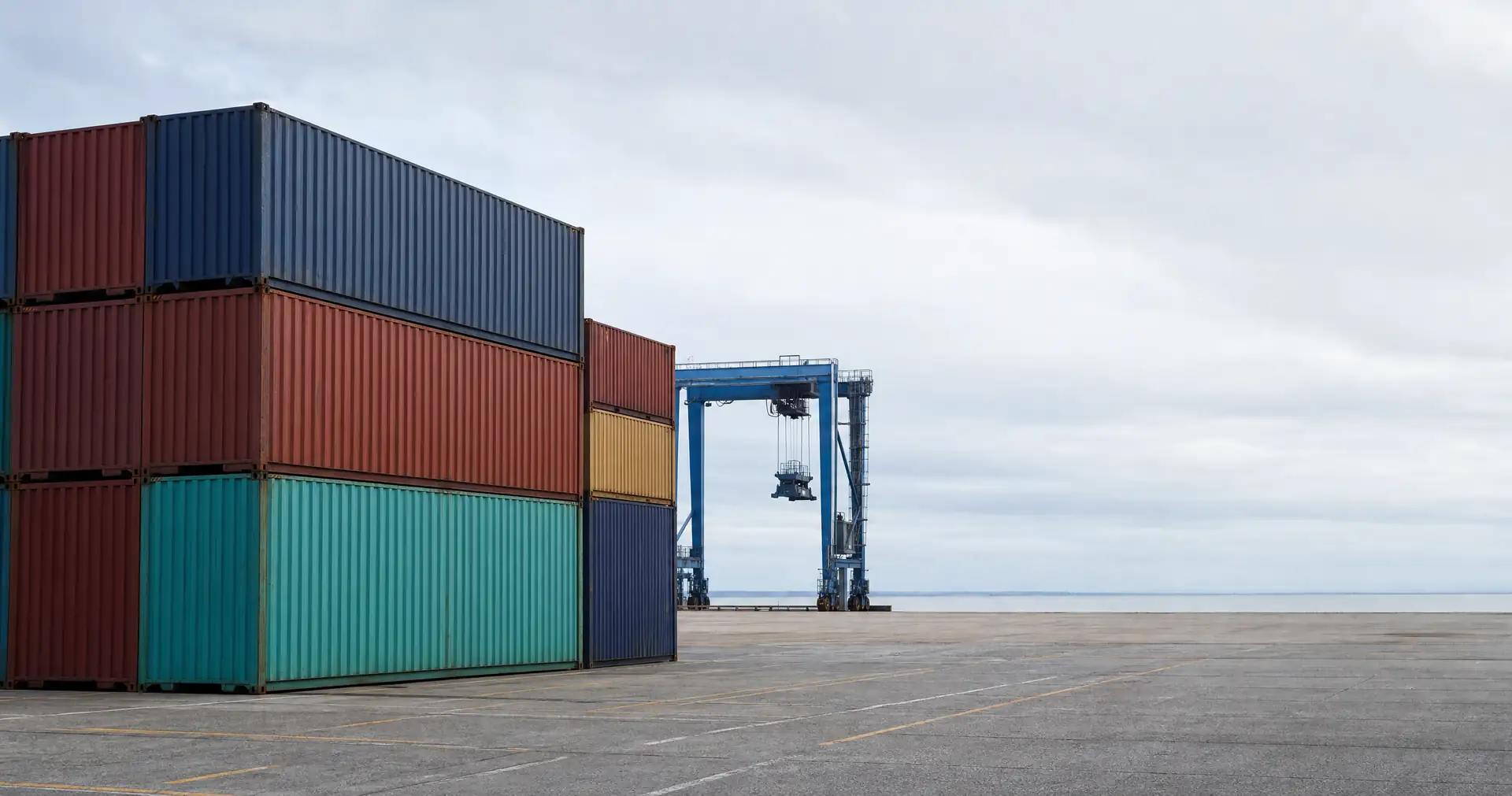
The same machines, different lending questions.
A digger financed by a Canterbury civil contractor and one financed by a Northland farmer raise different questions about seasonality, security and term. These five sector guides cover what changes with the industry rather than with the machine.
Construction equipment finance
Construction businesses finance more machines than any other sector on this site, and the constraint they hit is almost never the machine. It is the total of everything already financed.
Read onTransport equipment finance
Transport operators replace equipment on a cycle rather than when it breaks, which makes this the sector where the end of a finance term matters as much as the start.
Read onManufacturing equipment finance
Manufacturing borrows the largest amounts against the hardest security on this site, and the gap between what a machine costs and what a New Zealand lender thinks it could sell it for is the whole story.
Read onHospitality equipment finance
Hospitality finances the smallest average item and the largest number of them, and the question that decides every application is how long the premises lease runs.
Read onAgriculture equipment finance
Agriculture borrows the largest individual amounts on this site against income that arrives in bursts, which is why it is the one sector where lenders will genuinely shape a repayment schedule around the season.
Read onWhy sector matters
The machine is only half of what a lender is looking at.
A lender assessing an equipment application is answering two questions at once. What is this machine worth if it has to be sold, and can this business make the payments through a bad quarter. The first question is about the asset and is covered on the machine pages. The second is about the sector, and it is where these five guides sit.
Seasonality is the largest single difference. A Hawke’s Bay packhouse earns most of its revenue in four months, a Canterbury civil contractor earns through a construction season that pauses over winter, and a suburban workshop earns steadily all year. Lenders are used to all three, but the structure that fits them differs, and a repayment schedule set as though revenue arrives evenly is the most common avoidable problem in seasonal equipment lending.
Contract security is the second. Equipment bought against a named contract with a term attached reads differently from equipment bought in anticipation of work. This does not make one application good and the other bad, but it changes what the lender asks for and often what deposit is sought.
The third is what else the business already has financed. Where several machines already carry security interests, a further facility is assessed against the total commitment rather than the new machine alone, which is a position that arrives quietly in growing contracting and transport businesses.
What these pages do not do
No sector gets a different rate for being a sector.
It would be easy to write five pages implying that construction pricing differs from hospitality pricing as a matter of policy. That would be misleading. New Zealand lenders price the borrower and the asset, and a strong hospitality operator buying a mainstream machine will commonly see better terms than a marginal contractor buying a specialised one.
What genuinely varies by sector is the equipment mix, the shape of the cash flow the repayments have to fit, the regulatory items attached to the plant, and how liquid the resale market is for the machines that sector uses. Those are the things these guides cover, and they are enough to change a structure decision without inventing a pricing difference that does not exist.
FAQ
Equipment finance by sector, common questions
Do lenders charge different rates by industry?
Not as a matter of policy. New Zealand lenders price the borrower and the asset, so trading history, the machine and the deposit move the rate far more than the sector code does. Where a sector appears to price differently, it is usually because the equipment it uses is more or less liquid on resale, or because its cash flow is more seasonal.
How do seasonal businesses structure equipment repayments?
Some New Zealand lenders will set a schedule that follows the season rather than spreading evenly across the year, and structures with reduced payments in the off-season exist. Availability varies considerably between lenders, so it is a question worth raising at the quote stage rather than after the documents are drawn.
Does an existing equipment loan affect a second application?
Yes. A further facility is assessed against total commitments rather than against the new machine in isolation, so several existing agreements reduce the headroom available even where each was comfortable on its own. This arrives quietly in growing contracting and transport businesses, which is why lenders ask for a schedule of existing finance.
Is finance easier to obtain when equipment is bought against a contract?
It commonly helps. Equipment purchased against a named contract with a defined term gives the lender a visible repayment source, which is a different proposition from equipment bought in anticipation of work. It does not guarantee an outcome, and the credit assessment still turns on the business as a whole.
Which sectors finance the widest range of equipment?
Construction and transport typically finance the widest mix, because their plant is expensive, mobile and replaced on a cycle. Agriculture runs the largest individual amounts. Hospitality finances the smallest average ticket but the highest count of items, because a fit-out is many machines rather than one.
Does the sector affect how long a term is available?
Indirectly. Term is driven by the age the machine reaches at the end and by how liquid its resale market is, and both of those vary with the equipment a sector uses. A sector running mainstream plant sees longer terms than one running specialised equipment, which is a function of the machines rather than of the industry itself.
Are there regulatory costs that sit outside the finance agreement?
Frequently. Certification, operator training, food-safety compliance on kitchen plant, and periodic inspection on lifting equipment are all real costs that sit outside the finance and are budgeted separately. The finance agreement covers the purchase of the machine, not the cost of being allowed to operate it.
Can equipment across several sites be financed together?
Commonly yes, where it is one purchase from one supplier. Multiple machines on a single invoice are frequently written as one facility, which is how hospitality fit-outs and warehouse equipment packages are usually funded. Separate purchases from separate suppliers more often become separate agreements.
Related
Related reading
Every machine class
Eleven guides covering what each kind of equipment costs to finance.
Read onWhat equipment lenders assess
The trading history, machine and document questions behind every application.
Read onEnd of term and upgrade options
How replacement cycles are funded when the current machine still has debt on it.
Read on